
Malaysia’s gaming landscape has transformed dramatically over the past decade, with millions of players now connecting daily through various platforms. Multiplayer games have become the cornerstone of this digital entertainment revolution, offering diverse experiences from competitive battles to cooperative adventures. The market has grown to exceed RM2.8 billion in 2026, with over 20 million active players across mobile and PC platforms.
The Malaysian gaming industry operates within a framework that encourages responsible play for adults 18 years and older. Local payment methods including Touch ‘n Go eWallet, GrabPay, and Boost have made digital gaming more accessible, while the Malaysian Communications and Multimedia Commission continues to oversee digital entertainment standards. Players seeking games to play with friends will find a thriving ecosystem supported by robust internet infrastructure, with average mobile internet speeds reaching 115 Mbps in urban areas.
Evolution and Rapid Growth of the Malaysian Gaming Market
The Malaysian gaming market has experienced compound annual growth of 18.3% since 2020, transforming from a niche hobby into a mainstream entertainment medium. Revenue projections for 2026 indicate the market will reach RM3.1 billion by year-end, driven primarily by mobile gaming which accounts for 67% of total revenue. This growth trajectory positions Malaysia as the fourth-largest gaming market in Southeast Asia.
The shift began in earnest around 2018 when smartphone penetration crossed 80% nationally. Players who previously relied solely on cyber cafes suddenly gained 24/7 access to multiplayer games through pocket devices. This accessibility sparked a demographic expansion: where gamers were once predominantly males aged 18-25, current data shows 43% of Malaysian gamers are female, and the age range extends from teenagers to players in their 40s.
Investment in gaming infrastructure has accelerated this growth. Telekom Malaysia and Maxis have deployed 5G networks across Kuala Lumpur, Selangor, and Penang, reducing latency to levels that support competitive gaming. These improvements have made real-time multiplayer experiences smoother and more reliable.
Why Mobile Devices Control the Country’s Audience
Mobile gaming dominates Malaysia’s multiplayer landscape with 15.2 million active mobile gamers versus 4.8 million PC gamers. The primary driver is economic accessibility: a mid-range smartphone capable of running popular titles costs RM800-1200, while a gaming PC requires RM3000-5000 minimum. For the majority of Malaysian households with median monthly income around RM5900, smartphones represent the practical choice for accessing multiplayer games online.
Device ownership patterns reveal the depth of mobile’s advantage.
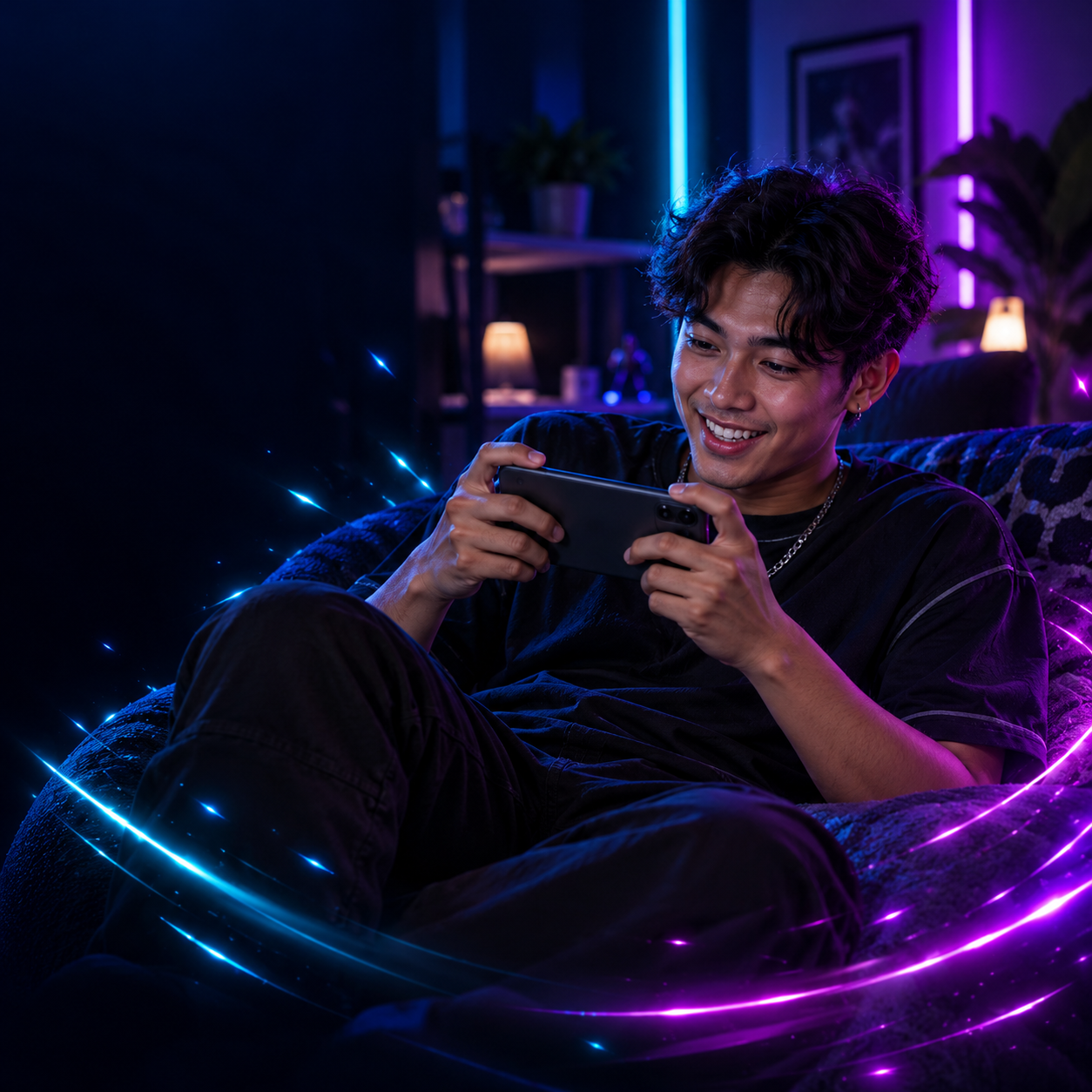
The Malaysian Communications and Multimedia Commission reports 98.7% of internet users access online services via smartphone, compared to 67.2% via computer. Many Malaysians own only a smartphone for digital activities, using it for work, communication, and entertainment.
Time-use studies show mobile gaming fits Malaysian daily routines better than PC gaming. The average session length for mobile games is 23 minutes, aligning with commute times on LRT and MRT systems. Workers play during lunch breaks, students between classes, and families during evening downtime.
Data plan affordability has removed barriers. Providers like Celcom, Digi, and U Mobile offer unlimited data plans for RM35-50 monthly, with some including gaming-specific packages that provide priority bandwidth for popular titles.
The Dominance of MOBA and Battle Royale Genres on Smartphones
MOBA and Battle Royale titles command 58% of mobile gaming time in Malaysia, with Mobile Legends: Bang Bang alone claiming 8.2 million monthly active users. These genres satisfy Malaysian players’ preference for competitive team-based experiences that reward strategic coordination. The social dimension proves crucial: 76% of MOBA players report regularly teaming with real-life friends or family members.
Mobile Legends has achieved cultural penetration beyond typical gaming circles. The game appears in everyday conversation, with terms like “savage” and “maniac” entering local slang. Tournament viewing has become communal activity, with finals broadcast on large screens at mamak stalls and shopping centers.
PUBG Mobile and Free Fire represent the Battle Royale segment, collectively engaging 5.7 million Malaysian players. These titles offer faster match pacing than MOBAs, with rounds completing in 15-25 minutes versus 30-45 minutes. This tempo suits players seeking quick competitive experiences.
Monetization models support sustained engagement. Both genres use free-to-play structures with cosmetic purchases, removing financial barriers to entry. Industry data indicates Malaysian mobile gamers spend an average RM47 monthly on in-game content, concentrated heavily in MOBA and Battle Royale titles.
A Local Phenomenon: Gaming Communities in “Mamak” Establishments
Mamak restaurants have evolved into unofficial gaming hubs where multiplayer experiences blend with Malaysia’s trademark food culture. These 24-hour eateries provide free Wi-Fi, charging stations, and communal tables that naturally facilitate group gaming sessions. On any evening in Kuala Lumpur or Penang, you will find groups of four to six players gathered around smartphones, coordinating strategies over teh tarik and roti canai.
This phenomenon emerged organically around 2019 when mamak owners noticed customers lingering with devices. Rather than discouraging extended stays, many establishments embraced the trend by upgrading Wi-Fi to support multiple concurrent users. Some have installed charging stations at every table and promoted themselves as gaming-friendly venues.
The social dynamics differ from cyber cafes. Mamak gaming sessions are louder and more communal, with teams celebrating victories and commiserating defeats collectively. Players often switch between games and conversation, maintaining the social atmosphere that defines mamak culture.
Economic impact extends beyond food sales. Mamak establishments near universities and residential areas report 30-40% revenue increases during evening hours when gaming activity peaks. Some have formalized the relationship by hosting weekly tournaments with prizes sponsored by beverage brands.
Shifting Tastes: A Surge of Interest in Survival and PvE
Survival and PvE genres have captured 23% of multiplayer gaming hours in 2026, up from 11% in 2023. This shift reflects player desire for cooperative experiences that emphasize teamwork over direct competition. Titles like Genshin Impact, State of Decay, and Palworld allow friends to tackle challenges together without the stress of ranked competition.
The demographic driving this trend skews slightly older and more female than competitive genres. Data shows 51% of survival game players are aged 25-35, with 48% identifying as female. These players often cite enjoyment of progression systems and narrative elements that PvE games emphasize.
Local content creators have amplified the trend. Malaysian streamers on platforms like Facebook Gaming and YouTube have built audiences around survival titles, with some channels exceeding 200,000 subscribers. These creators showcase cooperative gameplay that highlights camaraderie and problem-solving, making the genre appear accessible and socially rewarding.
A Resilient Base of Classic PC Disciplines
Despite mobile dominance, PC gaming maintains a dedicated base of 4.8 million players focused on competitive disciplines. Counter-Strike 2, Dota 2, and Valorant command the majority of this audience, with Valorant alone recording 1.9 million Malaysian accounts. These titles require precision and reaction times that touchscreens cannot match, ensuring PC platforms remain essential for serious competitive play.
Cyber cafes have adapted rather than disappeared. The 3,200 registered cyber cafes across Malaysia have upgraded to gaming-grade hardware, offering RTX 4060-equipped PCs at RM4-6 per hour. Many have transformed into esports training centers, providing coaching services and tournament hosting.
University esports clubs drive sustained PC gaming interest. Institutions like Universiti Teknologi Malaysia and Taylor’s University field competitive teams in regional leagues, with some players receiving partial scholarships. Inter-university tournaments attract hundreds of participants, with finals held in convention centers and broadcast online.
The professional scene provides aspirational models. Malaysian teams like Todak and Team SMG compete internationally in Dota 2 and Valorant, with total prize earnings exceeding RM4.2 million in 2025.
The New Generation’s Fascination with Virtual Metaverses
Virtual metaverse platforms have attracted 2.3 million Malaysian users aged 13-24, representing the fastest-growing segment of multiplayer games. Roblox leads with 1.4 million monthly active users, followed by Minecraft at 620,000. These environments offer creative expression and social interaction beyond traditional gaming objectives.
The appeal centers on user-generated content.
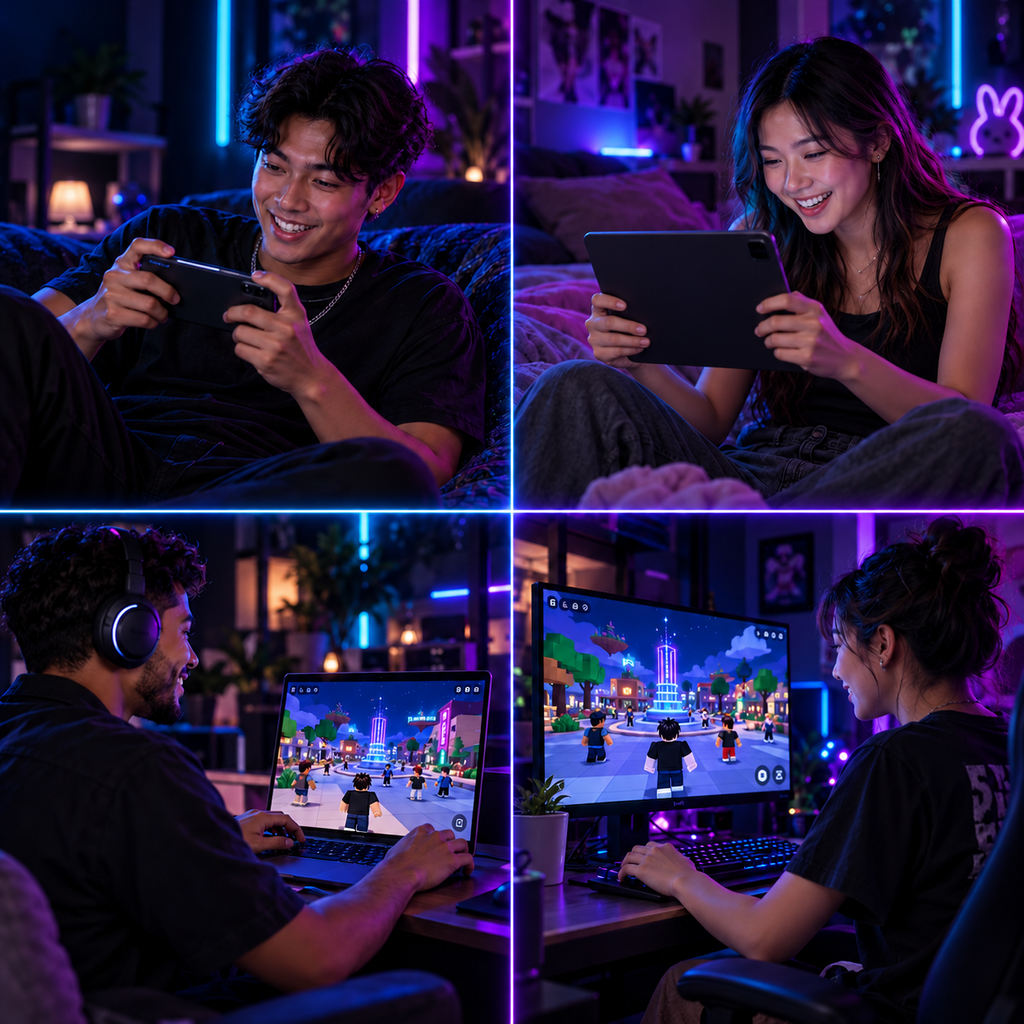
Malaysian creators have published over 18,000 experiences on Roblox, ranging from virtual versions of Kuala Lumpur landmarks to original game concepts. Popular creations attract thousands of concurrent players, with top Malaysian developers earning RM5,000-15,000 monthly through in-platform monetization.
Social functions drive sustained engagement. Users spend average 78 minutes per session in metaverse platforms, with only 40% of that time in structured gameplay. The remainder involves socializing in virtual hangouts, attending concerts and events, or exploring user-created worlds.
Educational institutions are exploring metaverse applications. Several international schools in Kuala Lumpur have established Minecraft servers for collaborative projects, using the platform to teach geometry, history, and teamwork.
Government Initiatives in Support of the Industry
The Malaysian government has allocated RM180 million through the Malaysia Digital Economy Corporation (MDEC) to support gaming industry development from 2024-2027. This funding targets three areas: talent development, infrastructure improvement, and international market access. The Level Up KL program has facilitated RM23 million in publishing deals since its 2022 inception.
Tax incentives provide crucial support. The government offers 100% income tax exemption for up to five years for companies developing intellectual property in creative industries, including games. This policy has attracted both local studios and regional branches of international publishers.
Skills development programs address talent gaps. MDEC partners with universities to offer game development certification programs, with 1,200 graduates completing courses in 2025. The curriculum covers Unity and Unreal Engine development, 3D modeling, and game design principles.
Export Potential: Malaysia as a Creator of Global Games
Malaysian game developers generated RM267 million in export revenue in 2025, representing 312% growth since 2020. Studios have released 47 titles with international distribution, spanning mobile, PC, and console platforms. This output positions Malaysia as a significant contributor to Southeast Asian game development.
Service-based development provides steady foundation. Malaysian studios like Streamline Studios and Lemon Sky Studios perform art, animation, and quality assurance work for major international publishers. These B2B relationships have generated RM189 million annually while building technical expertise.
Original Malaysian titles are achieving international success. No Straight Roads sold over 300,000 copies across PlayStation, Xbox, Nintendo Switch, and PC platforms. Rhythm Doctor, developed by a Malaysian indie team, has recorded 280,000 sales on Steam with “Overwhelmingly Positive” reviews.
FAQ
What are the most popular multiplayer games in Malaysia?
Mobile Legends: Bang Bang dominates with 8.2 million monthly active users, followed by PUBG Mobile with 3.4 million and Free Fire with 2.3 million. On PC platforms, Valorant leads with 1.9 million players, while Dota 2 maintains 780,000 active accounts.
How much do Malaysians spend on multiplayer games online?
The average Malaysian gamer spends RM47 monthly on gaming-related purchases, primarily in-game cosmetics and battle passes. Total consumer spending reached RM2.84 billion in 2025, with 67% allocated to mobile titles and 33% to PC games.
Are there age restrictions for online gaming in Malaysia?
Responsible gaming guidelines recommend participation by adults 18 years and older, particularly for titles with monetization features. However, enforcement relies primarily on parental supervision rather than mandatory verification.
Which payment methods work for Malaysian gaming platforms?
Major platforms accept Touch ‘n Go eWallet, GrabPay, Boost, and online banking transfers from Maybank, CIMB, and Public Bank. International payment processors like Visa, Mastercard, and PayPal function for global platforms including Steam and console stores.
Can Malaysian players participate in international esports tournaments?
Malaysian teams and individuals regularly compete internationally, with notable representation in Dota 2, Valorant, and Mobile Legends championships. Team SMG placed fourth at the Valorant Champions 2025, while Todak has earned over RM3.1 million in Dota 2 prize money since 2022.
What internet speed is needed for smooth multiplayer gaming?
Mobile games typically require 5-10 Mbps with latency below 60ms for optimal performance. PC titles benefit from 25 Mbps or higher with latency under 30ms. Most Malaysian urban areas exceed these thresholds, with average fiber connections delivering 100 Mbps.
Are there career opportunities in the Malaysian gaming industry?
The industry currently employs approximately 3,800 professionals across development studios, esports organizations, content creation, and related services. Entry-level game developers earn RM3,000-4,500 monthly, while experienced leads command RM8,000-15,000. Professional esports players on salaried teams receive RM2,500-6,000 monthly plus tournament winnings.